ラベル o-主に朝鮮人 の投稿を表示しています。 すべての投稿を表示

2015/06/01

キム・ボクトン「自由のために戦う英雄100人」に 国境なき記者団


ネットには何とか繋がるものの、まともにブログの管理など出来ない環境から、二三日東京に戻っています。忙しさも今週がピークなので、コメントに返事せずにいる無礼をもう暫くお許し下さい。

「国境なき記者団」は・・・「1938年から45年まで日本軍に連行され、性的奴隷として過ごしたアジアの女性20万人のうち大部分は韓国人だった・・・」と説明

コリア・タイムズを信じるならば、The majority of 200,000 Asian women taken by the Japanese military to provide sex to Japanese troops between 1938 and 1945 were Koreans.というのがキャプションだったらしい。この写真では小さすぎて確認出来ないが、それが世界の常識というものだろう。性奴隷とは書いてないようだが、日本軍によって連れて行かれたとは書かれている。

「自由のために戦う英雄100人」に元慰安婦・金福童さん

「国境なき記者団」が選定
過去にはマンデラ氏やキング牧師も

フランス・パリに本部を置く「国境なき記者団」と同国のAFP通信が共同で選定する「自由のために戦う英雄100人」に、旧日本軍の元慰安婦の金福童(キム・ボクトン)さん(89)が選ばれた。言論の自由の擁護を目的として設立された非政府組織(NGO)の「国境なき記者団」は最近、創立70周年を迎えるに当たり、全世界で「自由のために戦う英雄100人」を選定し、その写真を掲載した画報を出版している。金さんは南アフリカで初の黒人大統領になった故ネルソン・マンデラ氏や、米国の黒人人権運動家の故マーティン・ルーサー・キング牧師などとともにこの「100人」の中の一人とされた。

金さんは現在も、在韓日本大使館(ソウル市鍾路区)の前で元慰安婦と支援者が行っている「水曜集会」に毎回欠かさず出席している。「国境なき記者団」は、2011年12月14日に行われた1000回目の水曜集会で金さんが発言する場面の写真を画報に掲載し、その下には「1938年から45年まで日本軍に連行され、性的奴隷として過ごしたアジアの女性20万人のうち大部分は韓国人だった。生存している元慰安婦たちは92年以来、相次いで日本政府の謝罪や補償を求めているが、日本政府は応じていない」という説明を加えた。

「国境なき記者団」のクリストフ・ドゥルアール事務局長は画報の中で「この画報は国境なき記者団が過去30年間、情報公開など自由を守る過程で共に歩んだ英雄的な人物を称える頌詩だ」と述べた。


2014/11/20

元ジョージタウン大教授 「人種理論に基づく性奴隷」「公衆便所と呼び虐待」

慰安婦に関する著書もあるオー教授
優しい笑顔でヘイトスピーチ?

ボニー・オー(Bonnie B.C. Oh)は、エドムンド・A・ウォルシュ外交大学院の韓国学の専門家で、The Legacies of the Comfort Women of World War II(2001年)の編集者でもあった。先日、アメリカのノースウェスタン大学で慰安婦問題に関する講義を行った。その時の様子。

報道からボニー・オー元教授の話をまとめると、慰安婦の総数は8万~40万。年齢は10歳(?!)~35歳。80%は朝鮮人だった。日本軍によって奴隷にされたが、書類は破棄され一部の女性は殺されたので証拠は残っていない。日本軍慰安婦の特徴はその公的性格。戦場の指揮官が設置・管理を行い、司令官たちは天皇とのホットラインを持っていた。軍はしばしば慰安婦を「公衆便所」と呼び、この事で非人道的な取り扱いが可能となった。よって、慰安婦ではなく、性奴隷と呼ばれるのが相応しい。このシステムは、日本の誤った人種理論の産物である。日本は歪んだ人種理論に基づき、朝鮮人女性を大量に性の奴隷とすべく調達した。・・・なにやら、ナチスの優生学を連想させるような言われようではないか。


ちょっと面白いのは、オー教授が、日本軍が帯同する(日本人?)従軍売春婦(embedded prostitutes)の不足を、強制的に集めた主として朝鮮人で補ったと説明している点。ややこしい話だが、従軍慰安婦が足りないから日本軍は無印)慰安婦=性奴隷を集めたのだとオー教授は言っているのである(関係ないが、フィリップ・ドゥ・ヘーア駐日オランダ大使もそれに近い認識だった)。もしかしたらこの人は従軍売春婦の存在自体は問題視していないのかもしれない。まぁそうだろう。従軍売春婦(慰安婦)ならヨーロッパの軍隊にもいたわけだから・・・。講義を聞いた者の中には日本軍慰安婦について初めて聞く者もいたようだが、戦場で人身売買や強姦が起こるのは知っていたが、システマチック(組織的な)性奴隷制度の存在は初めて知ったと感想を述べている。

そして、アナベル・パクと同じく「おだて作戦」。日本は世界のモラルリーダーになれるはずなのに、なぜなろうとしないのかと。「謝れ!」という話なのだろが、オーもパクもアメリカ人なのだろうから、日本にリーダーシップを期待するより自国に期待するのが筋だろう。なぜアメリカはモラルリーダーになることを避けているのか?洋公主に謝れ。

講義で使用された資料映像
慰安婦=挺身隊

※ ツイッターで、翻訳やオー教授の専門についてアドバイスを頂きました。この場を借りてお礼申し上げます。


ボニー・オー教授、NU大で慰安婦講演「過去正しく知ってはじめて発展できる」

「すべての国は暗い過去を有している。 一部は隠して忘れようとするが過去を否定して未来だけ見て行くということのように愚かなことはない。 慰安婦問題もそうであるだろう」

12日ノースウェスタン大のRoberta Buffett Center for International and Comparative Studiesが主催した人権講演シリーズでボニー・オー教授が講師が登場「慰安婦被害者問題」をテーマに特別講演を行った。 バフェットセンターのBruce Carruthersチェアは「9月から人権をテーマにした講演シリーズを無料で主催している。 オ教授の慰安婦関連書籍はもちろんで講演が非常に有益で重要だと考え、直接招請することになった。 慰安婦関連の講演は初めてだ。 特定の国の問題でない全世界の人権問題をテーマに今後も継続する予定だ」と説明した。この日100人余りの学生と教授などがオー教授の講義に始終真剣な表情で耳を傾け被害ハルモニの証言が言及される部分で嘆きをさく烈させた。

オー教授は「10~35才女性たちが何も分からないまま徴用、人身売買犯、売春業者などによって拉致、買収など様々な方法で連れて行かれ日本軍を対象に性的な行為を強要された」として「そのうちの80%が朝鮮人だったが、中国、台湾、フィリピン、インドネシアなどでも慰安婦の召集が行われた」と話した。オー教授は朝鮮人慰安婦が多い理由、被害国々の活動、日本の反応などに対しても説明した。

シカゴ韓国人会少女像設置委員会のルーシー・ペク委員長はこの日「歴史を変えようとする日本の動きを正さなければならない。アメリカで成長する学生たちに正しい歴史を伝える良い講演だった。現在の少女像建設委員会は基金を集めるために熱心に活動中だ」と話した。

ロヨラ大に在学中のジョセフィン・ワン(20)は「慰安婦に関する講演があると聞いて来た。慰安婦被害者問題は女性の尊厳を踏みにじったことはもちろん人間の基本人権を侵害した事件だと思う。慰安婦に関する詳しい話を聞くことができて有益だった。韓国の人々が皆力を合わせて大韓民国の名の下にこれ以上手遅れになる前にこれを解決して欲しい」と話した。

KoreaDaily Chicago 2014.11.13 [ 2 ]

Retired Georgetown professor ​​gives lecture on WWII 'comfort women'

A retired professor ​​of Korean studies spoke to a packed room in Harris Hall on Wednesday night about」comfort women」who were enslaved for sex by the Japanese army during World War II。

Bonnie Oh、a retired Georgetown University professor、recounted the history and legacy of an estimated 80,000 to 400,000 women and girls who were forced into sexual slavery for the Japanese army from 1931 to 1945. She said during the war、the women gathered at "comfort stations "near military bases。

「Soldiers would queue up、assigned to certain times、 "Oh said in a lecture hosted by the Buffett Center。" Sometimes when there were new shipments of soldiers、these times would be no longer than 15 minutes、with no time for the women to wash up in between。 "

Although these women came from all over Asia、80 percent of the victims were Korean、because they were believed to be more likely free of disease、Oh said.Because of her concentration in Korean studies、Oh became interested in these women、though she said her peers did not approve of her interest。

"When I first started getting interested in this topic 22 years ago、I was almost ostracized - a good woman getting interested in a topic like that、" Oh said。

The topic of comfort women was new to some attendees、including Weinberg sophomore Sanjana Lakshmi、who attended a dinner with Oh before the presentation.Other members of the International Gender Equality Movement、a student group that promotes advancing women's rights worldwide、also attended the dinner 。

"I knew there was rape and pillaging and other war crimes during World War II、and I know there's sex trafficking、but I did not know there was this systematic sex slavery、「Lakshmi said。

The Japanese government has tried to avoid the topic of comfort women、particularly when it comes to the government's culpability in their enslavement、Oh said。

"The repeated claim is that the Japanese government was not involved、that these women were professional prostitutes、「Oh said。
The only remaining records of the exploitation are personal accounts and those of Japanese soldiers、since all other documents and evidence were destroyed after the war、and some of the women were killed

Oh said the existing accounts point to the Japanese government's culpability in setting up the system of comfort stations。
"Every country has ugly chapters which people would like to forget、but for which reparations are called for、" Oh said。 "What is unique about comfort women in Japan is the official nature - the commanders in the field set up and regulated this system 、and they had a direct line of communication with the emperor "

Although the sex slavery system ended with World War II、the issue resonates with others struggling with sexual violence against women today、said Youngju Ji、the executive director of Korean American Women in Need、an organization for domestic violence and sexual assault victims in Korean and other Asian communities。

「It's very much connected to what we are trying to do with our mission of ending violence against women、 "Ji、who attended the event、said。" It was great for us to expand our knowledge about this issue going forward、to be more equipped with a different perspective on this issue。 "
Oh said the impact the women's stories can have upon others is essential to their legacy。

"There is a question of what kind of legacy these women can leave、「she said。" They are destitute、old and have nothing left to leave.But comfort women ended up leaving a lot of legacies in the lessons they gave us on human endurance and the strength to triumph and to survive。 "


Georgetown professor: legacy of WWII comfort women continues

“Every country has ugly historical chapters. My aim tonight is simplenot to forget the experiences of women who have fallen victims to forced prostitution and sexual violence in times of war and peace.”

Professor Bonnie Oh of the Korean Studies department at Georgetown University’s Edmund A. Walsh School of Foreign Service spoke to Northwestern University on Wednesday about the history of World War II comfort women and their impact on East Asian relations. The event was organized by Northwestern University’s Roberta Buffett Center for International and Comparative Studies.

While informing the audience about the historical background of comfort women, Oh said the term “comfort women” is a euphemism for sex slaves of the WWII Japanese military and its usage is too weak for the 200,000 women who were coerced into violence. She suggested the usage of “sex slaves” as done by the former Secretary of State Hillary Clinton during her speech in 2012.

According to Oh, the system of comfort women began in the early 1930s after Japan’s militarist government experienced imperialist success in the late 19th and 20th century. She explained that while the lack of embedded prostitutes during the protracted war and the increased risks of venereal disease contributed to the system of comfort women, the most hidden theoretical reason lay in Japan’s “pseudoscientific race theory” that espoused a sense of superiority over its colonies and women in general.

Oh accompanied her presentation with photos of comfort women not only from Korea, but Taiwan, China and the Philippines as well. “History is indisputable,” she said while presenting a list of testimonies, documents and apologies as evidences of Japanese government’s involvement in the system.

The degree of the abuses is incredible.” Oh said the military often used the phrase “public toilet” in reference to the comfort women, and said she believes “that way of thinking made it easier for them to treat women in sub-human ways, in considering them as supplies and ammunitions.”

Oh said that the patriarchal society and social stigma against violated women prevented the victims of sexual violence from openly talking about their abuses. It took 46 years after the end of war – “50 years of silence” – for the first Korean comfort woman, Hak-soon Kim, to “come out” after she was enraged by the Japanese government’s denial of its involvement in the affairs.

Public reaction to the issue was fierce. The movement to demand an official apology from the Japanese government gained the support of international organizations such as Amnesty International and the United Nations, and gained momentum through the passage of U.S. House Resolution 121 in 2007. Oh said the impact of the movements on Japanese society has been divided between those who are calling for formal acknowledgement of the system and the government that is continuing to question the veracity of testimonies.

Oh called for Japan to accept responsibility, even though she was not very optimistic about the future. “Japan is a world leader in every aspect,” she said, mentioning the country’s third biggest economy in the world and its 19 Nobel Prize winners. “Why can it not be a moral leader either? It could.”

“The comfort women issue is an unresolved historical human tragedy,” said Ms. Youngju Ji, the executive director of Korean American Women in Need (KAN-WIN). Ji said elements such as the patriarchal system remind people that violence against women is still happening. “We believe that philosophical connection and solidarity between academia and activists will be able to make a greater impact.”

2014/11/04

米教科書「日本軍は慰安婦を天皇からの贈り物としてささげた」 (産経)


「日本政府は出版社に記述の是正を求めるなどの対応を迫られそうだ」と産経。だが、日本政府は、未だ日本軍が14~20歳の約20万人の女性を慰安所で働かせるために強制的に徴用したといった類の話は事実ではないと明言したことはない。よって、無理な相談である。安倍首相も歴史家に任せると言っておられる。

天皇への貢物というのは、金一勉あたりが言い出したと思う。それをユン・ジョンオクが広めた(要確認)。80%が朝鮮人女性というのは、ボニー・オー元ジョージタウン大教授も言っている。アメリカでは広く受け入れられつつある説なのかもしれない。


米教科書に「強制連行」「20万人の日本軍慰安婦」 LA公立高校

米大手教育出版社「マグロウヒル」(本社・ニューヨーク)が出版した高校の世界史の教科書に、旧日本軍が慰安婦を強制連行したとする記述があることが分かった。教科書はカリフォルニア州ロサンゼルス市や同市近郊の公立高校で使用されているほか、他地域でも使われている可能性がある。中韓による反日活動で広がった、事実に反する認識が「史実」として米教育現場に持ち込まれている実態が浮上した。

問題の教科書は「トラディッションズ・アンド・エンカウンターズ(伝統と交流)」。先の大戦を扱った章で約1ページにわたり、「日本軍は14~20歳の約20万人の女性を慰安所で働かせるために強制的に徴用し、慰安婦になることを強要した」「逃げようとして殺害された慰安婦もいた」などと、強制連行があったかのように記述されている。「日本軍は慰安婦を天皇からの贈り物として軍隊にささげた」と虚偽の内容も含まれている。

現代史家の秦郁彦氏によると、慰安婦の約4割は日本人で、朝鮮半島出身者は約2割だったとされるが、教科書では「多くは朝鮮や中国からの慰安婦だった」「戦争終結時に証拠を隠すため、日本兵は多くの慰安婦を殺害した」など、事実と反する内容も目立つ。

また、この教科書で日本の江戸時代を考察する項目で使用されている地図は、2008年に改訂された第4版で「日本海」と表記されていた部分が、第5版(10年改訂)からは「日本海(東海)」と韓国側の呼称も併記されていた。

ロサンゼルス統一学区では、複数の公立高校がこの教科書を使用している。米国では一般的に各学区の教育委員会がそれぞれの教科で数冊の教科書を指定し、各校がその中から1冊を選ぶ。マグロウヒルは教科書出版では最大手の一つで、他の地域でも同じ教科書が使われている恐れがある。

日本政府は出版社に記述の是正を求めるなどの対応を迫られそうだ。

産経 2014.11.3

続報: 

米教科書に慰安婦めぐる記述…外務省、訂正要請

米国の公立高校向けの世界史教科書にいわゆる従軍慰安婦問題をめぐる誤った記述があるとして、外務省が出版社に訂正を申し入れていることが18日分かった。

問題の教科書は、米大手教育出版社「マグロウヒル」(本社・ニューヨーク)が出版し、カリフォルニア州などで使われている。「日本軍は14~20歳の約20万人の女性を慰安所で働かせるために強制的に募集、徴用した」といった記述がある。政府は7日、ニューヨーク総領事館を通じて、同社に「重大な事実誤認がある」と申し入れた。

読売 2014.11.19


目次[2]より該当部分と本文[2]

Life during wartime

"Comfort women"

Japanese armies forcibly recruited three hundred thousand women to serve in military brothels
80 percent of comfort women came from Korea
A comfort woman had to service between twenty and thirty men each day
Many were massacred by Japanese soldiers; survivors experienced deep shame

2013/09/29

日本人写真家とドイツ人記者のコラボ記事


ドイツ版BBCといったところなのだろうか、ドイチェ・ヴェレに掲載された「慰安婦の悲しい物語」は、ドイツで活動する写真家、矢嶋宰の写真15枚を使った日本軍慰安婦問題のレポートである。この記事はコメント欄で凧さんから教えて頂いた

キャプションを書いたのはSonja Ernst。最初、解説がかなり「巧み」に慰安婦支援団体側の主張に沿って書かれているので、ドイツ人が書いたものではないだろうと思ったが、Sonja Ernstは南アジアや韓国を専門にするフリージャーナリストで、韓国滞在中には中央日報の英字版にも関わったらしい。

記事はアジア女性基金には触れておらず、女性基金を拒否することを条件に韓国政府が渋々提供した財政援助についてだけ触れている。朝鮮人の男に騙されたキム・スンドク(金順徳)も、ここではあたかも日本人に騙されて慰安婦にされたように語られている。アジア太平洋戦争という日本の左翼用語由来(?)の言葉も使っている。


矢嶋の考えは分からないが結果的にプロパガンダの拡散に加担してしまっている
The sad story of the "comfort women"

Ruined lives

Lee Sudan, now 88 years old, used to be a "comfort woman." An estimated 200,000 other girls and young women were forced to "comfort" Japanese soldiers during Asian-Pacific War. "Comfort" is the cynical euphemism the Japanese used; it was really prostitution into which the women were brutally forced.

Japanese war

Most of the prostitutes were from Korea, like Lee Sudan. She was 17 years old when she was kidnapped and taken to China. Korea had been a Japanese colony since 1910. In 1937 the war between Japan and China broke out and started the Second World War in Asia. Japan's greed for power and brutal Asian expansion cast a dark cloud over the entire continent.

Coping with the past

The Japanese photojournalist Yajima Tsukasa took portraits of "comfort women" in China and Taiwan. He lived in a South Korean home, "The House of Sharing," for the women from 2003 to 2006. There he took care of and photographed survivors like Pak Duri, who had been kidnapped and taken to Taiwan. The harsh beatings from the soldiers took a toll on her hearing and made her nearly deaf.

中央日報と縁のある記者だけに、ほぼ韓国側の主張に沿った解説

Sex slaves

The Japanese systematically organized forced prostitution; they set up military brothels on the frontlines. The war crimes that happened there were justified with cynical excuses, for example, that the authorities were trying to prevent mass raping from taking place in the occupied territories. Ji Dori was taken to a military brothel in China a few months before the war ended in 1945.

Bridging gaps

Yajima's grandfather was a soldier in China. He avoided the questions his grandson asked him about the war, so Yajima looked for the answers to his questions later as a photographer. The 39-year-old says he wants to bridge the gap that still exists between Koreans and Japanese.

Gaining trust

"I came as a man, a Japanese man no less, and as a photographer to the House of Sharing," said Yajima. "That was not easy for the women in the beginning. But they let me stay." He listened to and helped the women. Slowly but surely he gained their trust and friendship.

Never-ending torture

Kim Sundeok (left) and Oklyon (right) were sex slaves who survived the torture. Pak was kidnapped by the Japanese military and taken to a military brothel in what is now called Papua New Guinea. The girls and young women there had to be available for the men around the clock. They were raped by up to 40 men each day.

金順徳だとすれば、93年の時点では地元民による詐欺という話だった

False promises

Kim Sundeok(金順徳?) was taken to a military brothel in China at the age of 17. She had fallen for a false recruitment for nurses. The Japanese recruited young Korean women to work in China for a few months to earn a little money. Young women from poor families were looking for means to help their families financially. But their dreams ended with humiliation and violence.

Alone and far from home

Yajima Tsukasa visited Pak Seoun in China. The 93-year-old lives in the north eastern city of Jilin. The Korean woman had been taken to China in 1937 at the age of 20. After Japan's capitulation in August of 1945, the Japanese fled and left the "comfort women" behind. The young women were far away from home, traumatized and penniless.

Still alone

Pak Seoun stayed in China. She was too embarrassed to go back to her family. She married twice but both marriages ended in divorce. Her husbands had been unable to accept her past.

Suppressing the memories

After 1945 the comfort women did not speak of their hardships. The shame was too overwhelming and governments and societies never asked questions - neither in Japan nor in the previously occupied territories. Lee Okseon (left) also kept quiet. She had been taken to China at the age of 16 and stayed there. She started a family and didn't return to Korea until the year 2000.

The end

The year 1991 was an important year for Lee Okseon and other comfort women. Hak-Soon from Korea was the first to break the silence that year. She told her story on TV, which inspired other women to tell their stories, like Lee Okseon. The 82-year-old presented herself on an international stage and became active in the fight for recognition.

Japan should apologize

Comfort women from all over Asia came together. They all had a similar past and also shared the same feelings of anger toward the Japanese government, which to this day has still not officially apologized. Comfort women and others demonstrate each Wednesday in front of the Japanese embassy in Seoul. The 900th demonstration took place at the beginning of 2010.

The clock is ticking

Many of the comfort women remained childless and many fell into poverty. South Korea started offering the victims financial help in the mid-1990s. In China and Indonesia, however, many still live in poverty. The comfort women have started a movement and are demanding compensation from the Japanese government.

Fighting for dignity

Up to 1995, 235 comfort women had come out in South Korea; today there are only 82 left. The clock is ticking for the women, who are now over 80 and 90 years old. They broke the silence nearly 40 years after the atrocities happened to demand recognition and an apology from the Japanese government. Author: Sonja Ernst (sb) Editor: Thomas Baerthlein

2013/09/22

在独日本人「誇りを持って慰安婦運動に参加」 シュピーゲル誌

矢嶋の教科書には真珠湾攻撃について書かれていなかった?!

英訳して読んでいるので間違いがあるかもしれないが、シュピーゲルによれば「第二次大戦中日本の兵士たちが数万人の女性を拉致した(記事の中では、20万人が日本人によって拉致されたという説明もある)。彼らはいわゆる『慰安婦』を拷問し、レイプした。日本政府はこの犯罪を認めたことがない」「17ヶ国の出身者のうちの殆どは朝鮮人」だったということである。

はるばるドイツでこういった話を吹聴しているのが、少なくともその一部が日本人であるという話を信じ難い思いで聞く人もいるかもしれない。しかし、先日日本人留学生の方がコメントして下さったように、これは事実のようである。

ベルリン在住の学生です。

僕の友人がこの元慰安婦であったという方の講演会に足を運んでいたので話を聞いたところ、会場は満席で立ち見も出るくらいであり、韓国人やドイツ人だけでなく日本人も多く見受けられたとのことです。

正直ベルリンは土地柄リベラルな考えを持った人が多いと思うので、こういった女性の人権を盾にされてしまうと反論はできません。

(中略)

僕もベルリンで歴史のことについて話すことが何度かありましたが、僕の思う正しい歴史認識など全く相手にされません。史料や事実などは語るだけ無駄・・といった感じです。悔しいですが、土地柄かここに住んでいる日本人も反原発や自虐史観の方が(大変)多いです。[...]


シュピーゲルの記事は在独日本人矢嶋宰イ・オクソンの再会に焦点を当てている。この記事では、「生き証人」であるイ・オクソンは朝鮮人と日本人の私服姿の兵士に蔚山で拉致されたことになっている。日本政府は謝罪もしていないし、事実を認めもしないと。

そして矢嶋の説明だろうか。日本では石器時代や偉大なSAMURAIの時代(!)、広島長崎への原爆は習うが、日本軍の真珠湾攻撃によって戦争が始まったという事実は教えられていないと、日本で教育を受けた人間には到底理解できないような話をシュピーゲル誌は報告している。

独軍の慰安所は問題にしないのか?

矢嶋は、勇敢な『慰安婦』たちの運動の一翼を担っていることを誇りに思うと語っている。


Zwangsprostitution im Zweiten Weltkrieg: Japans Schande

Im Zweiten Weltkrieg verschleppten japanische Soldaten Zehntausende Frauen. Sie vergewaltigten und folterten die sogenannten "Trostfrauen". Die Regierung in Tokio hat die Verbrechen nie anerkannt. In Berlin kommen nun zwei Menschen zusammen, die das nicht hinnehmen wollen.

Tsukasa Yajima hat alles auf seinem Laptop, Schwarz auf Weiß, die Fotos der Überlebenden. Es ist 8 Uhr morgens, er sitzt in einem Bus nach Frankfurt.

ANZEIGE

Die Frauen auf seinen Bildern legen Zeugnis ab von den Geschehnissen im Krieg, über die in Japan bis heute meist geschwiegen wird. Lee Ok-Seon, 86, ist der lebende Beweis. Die alte Dame mit dem weiß toupiertem Haar ist ebenfalls auf dem Weg nach Frankfurt, im Flugzeug, aus Seoul, der Hauptstadt Südkoreas.
Drei Jahre haben sie sich nicht gesehen, Tsukasa Yajima und Lee Ok-Seon, der 42-jährige Fotograf und die Frau, deren Schicksal er dokumentiert hat.

"Ich erzähl das nicht gern"

Die Geschichte beginnt am 29. Juli 1942, in der koreanischen Stadt Ulsan, als ein japanischer und ein koreanischer Soldat in Zivilkleidung nach der Hotelangestellten greifen. Lee Ok-Seon ist 15 Jahre alt. Die Männer verschleppen das Mädchen in ein japanisches Armeebordell nach China.

Die Entführer knebeln das Mädchen, fesseln es an Händen und Füßen und werfen es auf eine Lkw-Pritsche. Da sind schon fünf junge Frauen.

Korea war damals japanische Kolonie, als Verbündeter des Nazi-Regimes führte Japan Krieg gegen China und die USA. Noch in derselben Nacht brachten die Männer ihre Gefangenen über die Grenze in die nord-west-chinesische Provinzhauptstadt Yanji. Dort gab es zwei Vergnügungshäuser für japanische Soldaten, kleine Zimmer in Holzbaracken, eine Matte, eine Waschschüssel. Neun Mädchen arbeiteten hier, die Jüngste war elf Jahre alt.

Pro Zwangsprostituierte waren es 40 bis 50 Soldaten täglich, sagt Lee Ok-Seon. Sonntags waren die Schlangen vor den Baracken besonders lang. "Ich erzähl das nicht gern", sagt sie, aber sie müsse jetzt darüber reden. Lee Ok-Seon erinnert sich, dass das elfjährige Mädchen das Pensum nicht schaffte, ein Soldat wurde wütend, er malträtierte das Kind mit einem Messer, dann vergewaltigte er es. Das Mädchen starb an den Verletzungen. Eine andere junge Frau wehrte sich stark, ein Soldat zerrte sie daraufhin nach draußen und tötete sie mit zahllosen Messerstichen.

Bürgermeister verteidigte Bordelle

Die Geschichte von Lee Ok-Seon ist auch die Geschichte von 200.000 Mädchen, die damals von Japanern in Militärpuffs entführt wurden. "Trostfrauen" nannten die Japaner die Sexsklavinnen. Sie stammten aus insgesamt 17 Ländern, die meisten jedoch aus Korea. Von ihnen sind noch 57 am Leben.

Der Krieg endete am 15. August 1945. Japan kapitulierte bedingungslos, doch die Geschichte von Lee Ok-Seon endete nicht. Die japanische Regierung erkennt das Verbrechen bis heute nicht an. Lee Ok-Seon wartet auf eine Entschuldigung. Doch davon scheint Japan noch weit entfernt: Im Mai hatte der Bürgermeister der Metropole Osaka, Toru Hashimoto, die Bordelle sogar verteidigt. Es sei nötig gewesen, um die "Disziplin aufrechtzuerhalten" und den Soldaten, die ihr Leben riskierten, eine Pause zu ermöglichen.

"Ich war schockiert"

Das Gesicht von Lee Ok-Seon ist voller Runzeln, sie hat eine flache Stupsnase und hohe Brauen, beim Reden stützt sich die Greisin auf einen Gehstock aus Holz. Am Dienstag wird sie ihre Geschichte an der Technischen Universität in Berlin erzählen, die Welt soll wissen, was sie erlebt hat.

Tsukasa Yajima hatte nie von den Verbrechen Japans gehört, bis er 29 Jahre alt war. Der Japaner wuchs in Gum auf, einer Stadt in Japan, hundert Kilometer von Tokio. Tsukasa lernte in der Schule über die Steinzeit, erfuhr vom Leben der großen Samurais im 17. Jahrhundert und dass Japan Opfer des Zweiten Weltkriegs wurde, als die Nuklearbomben 1945 auf Nagasaki und Hiroshima fielen. Dann aber war die Schule aus.

Der japanische Überfall auf die US-Pazifikflotte in Pearl Harbour etwa, der im Dezember 1941 zum Kriegseintritt der Amerikaner führte, war im Geschichtsunterricht nicht mal eine Fußnote wert. Irgendwann stand Tsukasa Yajima vor Lee Ok-Seon. Ein japanisch-koreanischer Universitäts-Workshop über Feminismus und Gender-Studien hatte ihn nach Seoul geführt.

ANZEIGE

"Ich war schockiert darüber, dass mein Land andere asiatische Länder überfallen und dort so grausam gewütet hatte", sagt der Japaner. Tsukasa Yajima zog ins "House of Sharing", eine private Wohnanlage der überlebenden "Trostfrauen".
Drei Jahre lang lebte Tsukasa Yajima mit den alten Damen, Tür an Tür, ein junger Japaner und die Opfer seines Volkes. Tsukasa Yajima dokumentierte das Schicksal der Frauen mit der Kamera. Er fotografierte die Orte, an denen sie damals festgehalten wurden. Die meisten der Zwangsprostituierten sind inzwischen tot, und wenn sie noch leben, sind sie oft bettelarm. Viele kehrten aus Scham nie in die Heimat zurück, zahllose konnten keine Kinder bekommen, weil Medikamente sie unfruchtbar gemacht hatten. So erging es auch Lee Ok-Seon.

All das hat Tsukasa Yajima auf seinem Laptop gespeichert, auf Schwarz-Weiß-Bildern, die berühren. Der Fotograf lebt inzwischen in Deutschland, auch weil er glaubt, dass dort erfolgreicher mit einer schrecklichen Vergangenheit umgegangen wird als in seinem Heimatland. Am Ende seiner Busfahrt trifft er Lee Ok-Seon am Flughafen. Der Japaner Tsukasa Yajima ist jetzt Teil der Bewegung der mutigen "Trostfrauen". Und stolz darauf.


参考: グーグル訳

During World War II Japanese soldiers abducted tens of thousands of women. They raped and tortured the so-called " comfort women " . The government in Tokyo has never recognized the crime. In Berlin, two people come together now , who do not want to accept .

Tsukasa Yajima has everything. Onto his laptop, black on white, the photos of the survivors It is an 8 clock in the morning, he sits in a bus to Frankfurt.

DISPLAY

The women in his paintings bear witness to the events in the war , is mostly silent on in Japan today. Ok- Seon Lee , 86, is living proof . The old lady with the white hair toupiertem is also on the way to Frankfurt , on the plane from Seoul, capital of South Korea.
Three years they have not seen Tsukasa Yajima and Lee Ok- Seon, the 42- year-old photographer and the woman whose fate he has documented .

"I do not like the narrative "

The story begins on 29 July 1942 , engage in the Korean city of Ulsan , as a Japanese and a Korean soldier in civilian clothes to the hotel staff . Ok- Seon Lee is 15 years old. The men kidnap the girl in a Japanese army brothels in China.

The kidnappers gag the girl , tie it on the hands and feet and throw it on a flatbed truck . There are already five young women.

Korea was a Japanese colony at that time , as an ally of the Nazi regime led war against Japan, China and the United States. That same night, the men brought their captives across the border in the north- western Chinese province capital Yanji. There were two houses entertainment for Japanese soldiers , small rooms in wooden barracks , a mat , a wash bowl. Nine girls working here , the youngest was eleven years old.

Pro forced prostitutes there were 40 to 50 soldiers a day, says Lee Ok- Seon . Sundays were the very long queues in front of the barracks . "I do not like to tell ," she says, but she had to talk about it now . Ok- Seon Lee remembers that the eleven year old girl did not manage the workload , a soldier was angry, he tortured the child with a knife, then he raped her . The girl died from injuries . Another young woman fought back strongly , a soldier dragged her outside and then killed them with numerous knife wounds .

Mayor defended brothels

The story of Lee Ok- Seon is also the story of 200,000 girls who were then kidnapped by Japanese in Militärpuffs (?) . " Comfort women " the Japanese called the sex slaves . They came from 17 countries , but most of them from Korea. 57 of them are still alive.

The war ended on 15 August 1945. Japan surrendered unconditionally , but the story of Lee Ok- Seon did not end . The Japanese government recognizes the crime still not on . Lee Seon - Ok waiting for an apology. However, it seems Japan still far away : in May was the mayor of the city of Osaka, Toru Hashimoto, the brothels even defended. It was necessary to " maintain discipline " and that to allow the soldiers who risked their lives a break.

"I was shocked "

The face of Lee Ok- Seon is full of wrinkles , she has a flat upturned nose and high brows , while talking to the old woman relies on a walking stick made ​​of wood. On Tuesday, she will tell her story at the Technical University in Berlin, the world should know what she has experienced .

Tsukasa Yajima had never heard of the crime in Japan until he was 29 years old. The Japanese grew up in Gunma(?) , a city in Japan , a hundred kilometers from Tokyo . Tsukasa learned in school about the Stone Age, learned about the life of the great samurai in the 17th Century and that Japan victims of the Second World War, when the nuclear bombs dropped on Nagasaki and Hiroshima in 1945 . But then school was out .

The Japanese attack on the U.S. Pacific Fleet at Pearl Harbor about that led to the American entry into the war in December 1941 , was not even worth a footnote in history lessons . Eventually, Tsukasa stood before Yajima Lee Ok- Seon . A Japanese- Korean university workshop on feminism and gender studies had led him to Seoul.

DISPLAY

"I was shocked that my country was invaded other Asian countries and there raged so cruelly ," said the Japanese. Tsukasa Yajima moved into the "House of Sharing" , a private gated community of the surviving " comfort women " .
Three years lived Tsukasa Yajima with the old ladies next door , a young Japanese and the victims of his people. Tsukasa Yajima documented the plight of women with the camera. He photographed the places where they were then arrested . Most of the prostitutes are now dead, and if they are still alive , they are often destitute . Many never returned to his homeland in shame , countless could not have children because of drugs they had made barren. This also happened to Lee Ok- Seon .

All that Tsukasa Yajima has stored on his laptop, on black - and-white images that touch . The photographer now living in Germany , also because he believes that there is dealt successfully with a terrible past than in his home country. At the end of his bus , he meets Lee Seon - Ok at the airport. The Japanese Tsukasa Yajima is now part of the movement of the brave " comfort women " . And proud of it.

2013/04/14

「サイパンで日本兵が少女を突き落とすのを見たから、慰安婦碑は朝鮮人少女像」


ニュージャージー州フォートリーの慰安婦の碑を巡る内輪揉めは収束したKACEは地元の在郷軍人会に旭日旗模様を取り下げさせたが、朝鮮人少女の図柄は地元の意向が通った模様。

なぜ、KACEのような団体は、慰安婦の碑に朝鮮人少女の図柄を嫌がるのか。自分の考えは既に述べた。地元紙は、Most importantly, it (KACE) wishes to downplay any longstanding animosity between Korea and Japan(なによりも、KACEは韓国と日本の間の長年のどんな恨みも控え目に表現することを望んでいる)と書くが、アメリカ人の記者には、彼らの本心は分からないだろう。

政治的な動機ではなく地元の為だと主張するKACEの女性(ヌリ・ハン)

"This is not a political thing. This is for the education [of] the next generation and for the residents here," Nuri Han, KACE's program director, told the mayor and council on April 4. (「これは政治的なことではないのです。これは次世代の教育の為であり、地域住民の為のものなのです」。4月1日、KACEのプログラム・ディレクター、ヌリ・ハンは、市長と議会にそうに語った)

NorthJersey.com 2013.4.12

彼らは政治目的(日本に対するネガキャン)であるという印象を薄めようとしているに過ぎない。KACE(旧KAVC)の幹部は、韓国メディアにはこれがネガキャンだと真相を漏らしているというのに。それをよくもまぁ、ヌケヌケと言い繕えるものである。彼らの本音は、実は朝鮮人少女像に固執する地元フォートリーの在郷軍人会と変わらないのである。

「サイパンで日本兵が(朝鮮人)少女を崖から突き落とすのを見た」

しかし、一番問題なのは、(朝鮮人)少女像を主張する在郷軍人会の言い訳である。曰く、「サイパンで日本軍の銃剣によって丘の上から落ちる幼い少女を直接目撃した在郷軍人会員たちの少女に対する願いが含まれているから」・・・。かなり眉唾な話だが、日本人ならサイパンの集団自決の悲劇を知らない者はいない、そうした悲しい歴史まで政治目的の為に利用するのである。

バンザイ・クリフの犠牲者を慰霊する天皇・皇后陛下 (2005年)

少女像に固執する地元の退役軍人

フォートリー慰安婦記念碑碑文決定

日本軍強制動員慰安婦追慕委員会とフォートリー在郷軍人会は昨日フォートリー在郷軍人会館で会合を持ち、記念碑に入る文面などを討議した。

まだ形態などに関して若干の意見の相違があるが、ほとんど合意がなされ、早ければ来月18日に記念碑が立てられる展望です。

第二次世界大戦時、日本帝国軍によって性奴隷の虐待を受けた数十万人の女性と少女を賛える。

この記念碑は彼らの記憶を賛えて慰安婦被害女性たちは忘れられないだろう。

最終決定した文面は短く簡潔だが不明な表現で誤解を呼びおこすほどの文面を全て削ることによって明確なメッセージを込めた。

双方が張り詰めた意見を見せた記念碑の形態も旭日昇天期を省く抜くなど大部分で合意点を見出したが、在郷軍人会が少女像に固執し、事実上フォートリーの記念碑はは少女像になると見られます。

第二次大戦当時サイパンで日本軍の銃剣によって丘の上から落ちる幼い少女を直接目撃した在郷軍人会員たちの少女に対する願いが含まれているからです。

朝鮮服を着た少女像がややもすると韓日両国間の問題として限定されかねないという指摘には設置主体が米国在郷軍人会なので問題になることがないと言い切りました。

早ければ来月18日開幕するフォートリー慰安婦被害者記念碑はフォトリー韓国戦参戦記念公園内に建てられ、記念碑周辺に慰安婦の歴史的内容と目撃した参戦軍人の証言を入れて歴史教育の現場で利用する方針です

NJKTown 2013.4.12

포트리 위안부 기림비 문구 확정

일본군 강제 동원 위안부 추모 위원회와 포트리 재향군인회는 어제 포트리 재향군인회관에서 회동을 갖고 기림비에 들어갈 문구등을 논의 했습니다.

아직 형태등에 대해 약간의 이견이 있지만 대부분 합의가 이뤄져 이르면 다음달 18일 기림비가 세워질 전망입니다.

2차 세계 대전 동안 일본 제국 군대에 의해 성적 노예의 수모를 겪은 수십만 명의 여성과 소녀들을 기린다.

이 기림비는 그들의 기억을 기리며 위안부 피해 여성들은 잊혀지지 않을 것이다.

최종 확정된 문구는 짧고 간략하지만 불분명한 표현으로 오해를 불러 일으킬 만한 문구들을 모두 삭제함으로써 명확한 메시지를 담았습니다.

양측이 팽팽한 이견을 보였던 기림비 형태도 욱일 승천기를 빼기로 하는등 대부분에서 합의점을 찾았지만 재향군인회가 소녀상을 고집해 사실상 포트리 기림비는 소녀상이 될것으로 보입니다.

2차 대전 당시 사이판에서 일본군의 총검에 의해 언덕위에서 떨어지는 어린 소녀들을 직접 목격한 재향군인회원들의 소녀들에 대한 염원이 담겨 있기 때문입니다.

조선옷을 입은 소녀상이 자칫 한일 양국간만의 문제로 국한 될수 있다는 지적엔 건립 주체가 미국 재향군인회여서 문제 될게 없다고 잘라 말했습니다.

이르면 다음달 18일 개막할 포트리 위안부 피해자 기림비는 포트리 한국전 참전 기념공원 내에 세워지며 기림비 주변에 위안부의 역사적 내용들과 목격한 참전 군인들의 증언들을 넣어 역사 교육의 현장으로 이용한다는 방침입니다

2013/03/22

NJ州議会「慰安婦決議」採択


ニューヨーク市議会では、国際問題に介入しないという規定を作って深入りを避けたが、ニュージャージー州議会では、そういった制約に縛られることなく、採択運動の推進者たちは対日圧力カードとしての決議案を勝ち取ることが出来た、といったところだろう。ただし、日本政府に対して謝罪を促させようという目論見は失敗したようである。この記事の続報。

2007年に慰安婦決議を採択したアメリカ連邦政府の下院でも、第二の決議を採択させるべく運動が行われているという事である。

アメリカ、ニュージャージー州下院「日本は、『慰安婦犯罪』教えろ」

アメリカ、ニュージャージー州下院「日本は、『慰安婦犯罪』教えろ」出席議員全員賛成で決議採択…州議会では3つ目

アメリカ、ニュージャージー州下院が21日(現地時間)日本政府に「慰安婦史」教育を促す内容の決議案を事実上の全員一致で採択した。

ニュージャージー州下院はこの日午後本会議を開き、第2次世界大戦当時日本軍に強制的に引きずられて行った慰安婦被害者20万人苦痛と犠牲を賛えるという内容を入れた決議案を通過させた。
本会議には在籍議員80人中75人が出席し、これらが全員賛成票を投じた。
下院の決議で「『慰安婦』(comfort women)という用語は1932~1945年日本軍に強制動員された『性的奴隷』(sexual slavery)を称する日本政府の表現」と前提にして「これら大部分は韓国と中国人女性たちだが、タイとベトナム、インドネシア、マレーシア、フィリピン、オーストラリア、オランダなどの地でも動員された」と明示した。

慰安婦が単純に韓国と日本間の過去の問題でなく国際的な人権蹂躪犯罪であることを明確に明らかにしたのだ。

決議は引き続き「慰安婦の歴史的事実に対する日本政府の容認を得ようと戦う慰安婦被害者を支持し、日本政府は歴史的な責任を認めこのような過去の犯罪を未来世代に教育しなければならない」と要求した。

今回の決議案は、全体的には2007年連邦下院で採択された決議案を支持しつつ、ニュージャージー州議会が別にしたい話を追加した形式だ。

下院で事実上全員一致で通過するにつれ、昨年9月上院に一緒に発議された決議案も近い将来採択されるものと見られる。

この場合ニュージャージーは米国50州の中で市と郡、州議会上・下院など4大立法機関の全べてで慰安婦決議案を採択する最初の州となる。

ニュージャージー州のパリセイズパーク市議会では2010年、バーゲン郡議会では昨年8月決議案が通過されたことがある。

アメリカの州議会レベルで慰安婦決議が採択されたことは1999年カリフォルニア州下院と1月のニューヨーク州上院に続き今回が3番目だ。

ニュージャージー州下院の決議はニューヨーク州上院の決議よりレベルがより一層高まった。

ニューヨーク州上院は「国際問題不介入の「議会(?)規定のために「慰安婦被害者を支持する」、「日本政府の謝罪を要求する」等の表現を入れることができなかった

ニュージャージー州議会は昨年5月パリセイズパークにある慰安婦記念碑を撤去しようとする日本政府の外交折衝戦が露骨化したことを契機に、慰安婦問題が米国社会で再び問題化するとすぐにこの決議を推進することになった。

これに先立ち、アメリカ連邦政府の下院は2007年7月30日日本軍の慰安婦強制動員と関連して日本政府に公式的で明らかな是認と謝罪、歴史的責任などを要求する強力な内容の決議案を採択した。

連邦政府の下院は、最近、決議案採択以後6年ができるように変わっていないという点で既存の決議案を強化した「第2の慰安婦決議案」を推進中だ。


慰安婦:米国のホロコースト記念館に常設展示

 米国に日本軍従軍慰安婦の惨状や日本軍による蛮行を伝える常設の展示施設ができる。

 ニューヨーク州の韓国人団体「韓米公共政策委員会(KAPAC)」は20日(現地時間、以下同じ)、ロングアイランド州ナッソー郡当局が所有するホロコースト記念館に「慰安婦特別展示館」を整備することで合意し、慰安婦の惨状を収めた写真や資料などを公開することにしたと発表した。米国に慰安婦をテーマにした常設展示館ができるのは、これが初めて。

 ホロコースト記念館に慰安婦展示館が整備されれば、従軍慰安婦の強制動員が、第2次世界大戦当時ナチス政権がユダヤ人を虐殺したホロコーストに匹敵する犯罪だと伝える効果があるとみられる。KAPACは「米国で強い影響力を持つユダヤ系社会から支援を受けられるものと期待している」と語った。

 一方、ニュージャージー州議会下院は21日午後、従軍慰安婦決議案を表決にかける予定だ。今回の決議案は、日本政府が慰安婦に対する責任を認め、再発防止のための教育を実施するよう要求している。特に「日本政府が戦後、慰安婦関連の記録の破棄を指示した」という内容を明記した。

 日本政府はこれまで「証拠がない」という理由で慰安婦の強制動員を否定してきた。なお当初、原案には日本政府の謝罪を要求する部分があったが、最終案からは取り除かれたという。


미국 뉴저지주 하원 “일본, `위안부 범죄‘ 가르쳐라”

미국 뉴저지주 하원 “일본, `위안부 범죄‘ 가르쳐라”출석의원 전원 찬성으로 결의 채택…주의회로는 세번째

(뉴욕=연합뉴스) 정규득 특파원 = 미국 뉴저지주 하원이 21일(현지시간) 일본 정부에 `위안부 역사’ 교육을 촉구하는 내용의 결의안을 사실상의 만장일치로 채택했다.

뉴저지주 하원은 이날 오후 본회의를 열어 2차 세계대전 당시 일본군에 강제로 끌려간 위안부 피해자 20만명의 고통과 희생을 기린다는 내용을 담은 결의안을 통과시켰다.

본회의에는 재적의원 80명 중 75명이 출석했고 이들이 모두 찬성표를 던졌다.

하원의 결의에서 “`위안부‘(comfort women)라는 용어는 1932∼1945년 일본군에 강제 동원된 `성노예’(sexual slavery)를 일컫는 일본 정부의 표현”이라고 전제하고 “이들 대부분은 한국과 중국인 여성들이지만 태국과 베트남, 인도네시아, 말레이시아, 필리핀, 호주, 네덜란드 등지에서도 동원됐다”고 명시했다.

위안부가 단순히 한국과 일본 간의 과거사 문제가 아니라 국제적인 인권유린 범죄임을 분명히 밝힌 것이다.

결의는 이어 “위안부의 역사적 사실에 대한 일본 정부의 시인을 받아내려고 싸우는 위안부 피해자들을 지지하며, 일본 정부는 역사적인 책임을 인정하고 이러한 과거의 범죄를 미래 세대에 교육해야 한다”고 요구했다.

이번 결의안은 전체적으로는 2007년 연방 하원에서 채택된 결의안을 지지하면서 뉴저지주 의회가 별도로 하고 싶을 말을 추가한 형식이다.

하원에서 사실상 만장일치로 통과됨에 따라 지난해 9월 상원에 함께 발의된 결의안도 조만간 채택될 것으로 보인다.

이 경우 뉴저지는 미국 50개 주 가운데 타운과 카운티, 주의회 상ㆍ하원 등 4대 입법기관 모두 위안부 결의안을 채택하는 첫번째 주가 된다.

뉴저지주의 팰리세이즈파크(팰팍) 타운 의회에서는 2010년, 버겐 카운티 의회에서는 지난해 8월 결의안이 통과된 바 있다.

미국 주의회 차원에서 위안부 결의가 채택된 것은 1999년 캘리포니아주 하원과 지난 1월 뉴욕주 상원에 이어 이번이 세번째다.

뉴저지주 하원의 결의는 뉴욕주 상원의 결의보다 수위가 더욱 높아졌다.

뉴욕주 상원은 `국제문제 불개입‘의 주의회 규정 때문에 “위안부 피해자들을 지지한다”, “일본 정부의 사과를 요구한다” 등의 표현은 담지 못했다.

뉴저지주 의회는 지난해 5월 팰팍에 있는 위안부 기림비를 철거하려는 일본 정부의 외교전이 노골화한 것을 계기로 위안부 문제가 미국 사회에서 다시 이슈로 부상하자 이 결의를 추진하게 됐다.

앞서 미국 연방 하원은 지난 2007년 7월30일 일본군의 위안부 강제 동원과 관련해 일본 정부에 공식적이고 분명한 시인과 사과, 역사적 책임 등을 요구하는 강력한 내용의 결의안을 채택했다.

연방 하원은 최근에는 결의안 채택 이후 6년이 다 되도록 달라진 게 없다는 점에서 기존의 결의안을 강화한 ’제2의 위안부 결의안‘을 추진 중이다.

2013/03/10

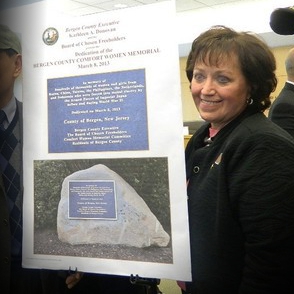
日本人女性の存在が消されたバーゲン郡の慰安婦碑お披露目


ほったらかしにしていた話題だが、コメント欄で現地紙の記事を教えて頂いたので(量が多くなったので、追ってupする)、3月8日にニュージャージー州バーゲン郡の慰安婦碑のお披露目があった。日本の新聞にも簡単に取り上げられているので、まずは読売の記事から。ハッキリと韓国系の主導だと指摘されている。

韓国系働きかけ、また米国に慰安婦モニュメント

【ハッケンサック(米ニュージャージー州)=加藤賢治】米ニュージャージー州北部にあるバーゲン郡ハッケンサックで8日、いわゆる従軍慰安婦のモニュメント披露式が行われた。


地元の韓国系住民の団体などの働きかけで、郡当局が設置を認めた。

設置場所は郡裁判所の前庭で、郡が管理する公用地。石に埋め込まれたプレート(縦約50センチ、横約70センチ)には、旧日本軍に多くの女性が「性的奴隷を強制された」と記されている。ユダヤ人虐殺や米国の奴隷制などに関するモニュメント4点と並ぶように設置された。

同郡の人口約90万人のうち韓国系住民は約6%で、費用約5000ドル(約48万円)の大半が韓国系住民による寄付金。同郡内での慰安婦モニュメントは2か所目。

読売 2013.3.9

このバーゲン郡の碑は、日本から抗議が押し寄せたという事もあったのだろう、碑文の内容を巡って一時計画が頓挫していると報じられていたが、結局当初の文面通りになったらしい。一昨日の現地紙によると、日本からの抗議は殆ど相手にされていないという事である。

2012年11月ドノバン郡長が署名して碑の建立が決定
結局、碑文は当初の計画通りに

”日本帝国の軍隊によって性奴隷制に強制された数十万の女性”

慰安婦に捧げる碑を詠いながら、日本人女性の存在は無視されている(慰安婦の国籍として上げられているのは、朝鮮・中国・台湾・フィリピン、オランダ、インドネシア)。これは後で紹介する現地紙の記事にも見られるように、「被害者」の多くが朝鮮人だったという俗説が定着してしまっているからである。つまり、慰安婦問題は、朝鮮人の民族受難の物語にすり替えられているのである。

「女性の名誉と尊厳の問題」だと言って外国の反日団体と一緒になって騒いでいる日本人はいい面の皮である。

先月の記者会見の様子(韓国KBN)
背後に韓国系米国人市民参与センターのバナー

右後ろには、ドノバンがナヌムの家を訪問した時の写真
情に訴える戦術に日本は対抗する術がない

CCTVにも慰安婦達が楽しみにしていると語っていた(2月)

先月の記者会見で、ドノバン郡長は、日本政府を非難するものではないと念押ししていた。最近のニューヨーク州議会の決議同様、あくまでも他国の内政・外交問題に干渉するものではない(It is not against government of Japan)という建前を取るのがパターンになっている。こういった工夫で決議採択などのハードルを下げているのである。

またKACEの関係者も、議論の余地があると主張しているのは日本の極右だけで、彼らは日本国民の声を代弁しているわけではないと地元紙に語っている↓ これも政治・外交問題ではないと言いたいのだろう。

Chejin Park, a staff attorney for the group Korean American Civic Empowerment, told NJ.com earlier this year that recognizing the sexual enslavement of women during the war is hardly controversial, and that the opposition comes from a vocal minority of far-right Japanese conservatives. (KACEの弁護士Chejin・パクは、戦時中の女性の性奴隷化には議論の余地は殆どない、反対しているのは日本の極右保守派の少数意見だけだとNJ.comに語った

"They have a loud voice, but they are not representing the Japanese citizens," he said. "Only they are saying it's controversial. It's not. It's a simple historical fact." (「彼らは声は大きいが、日本の市民を代表しているわけではありません」「論争があると言っているのは彼らだけです。そんな事はありません。単純な歴史的事実なんです」と彼は言う

nj.com 2013.3.8

碑の写真を披露するドノバン郡長(3.8)

郡長は、除幕式でもナヌムの家を訪問した時の思い出を披露したというが、こうした情に訴えるやり方が一番効果的であるらしい。それを承知の上で、韓国系の運動家たちはこの戦術を多用している

式には赤旗の記者も立ち会ったらしいが、彼は、慰安婦の多数を占めた日本人女性の存在が抹殺された碑が慰安婦の事実を伝えていると思うのだろうか?

「慰安婦」伝える記念碑

米ニュージャージー州で除幕式

 【ハッケンサック(米ニュージャージー州)=山崎伸治】旧日本軍の「慰安婦」とされた数十万の女性を記憶にとどめようと、米東部ニュージャージー州バーゲン郡に記念碑が設置され、国際女性デーの8日、同郡ハッケンサック市の郡庁舎で除幕式が行われました。

 キャスリーン・ドノバン郡知事と郡議会のデービッド・ガンズ議長ら全7人の議員のほか、韓国系・中国系住民の代表ら100人余りが詰め掛けました。

 式典でドノバン知事は、昨年10月に韓国・ソウル郊外の「ナヌムの家」を訪問し、元「慰安婦」の方々から記念碑設置の快諾を受けたと紹介。2007年に米下院が採択した「慰安婦」決議の共同提案者の一人で地元選出のビル・パスクレル下院議員(民主党)は「『慰安婦』の苦難を思い起こすことで、全世界の人権を守ろうという決意がますます強くなる」と述べました。

 記念碑設置を呼び掛けた住民組織「『慰安婦』記念碑委員会」のドンチャン・キムさんは、記念碑が「人道的罪の被害者を忘れてはならないこと、人権侵害者を許してはならないことを世界に伝えるものになる」と訴えました。

 記念碑は、郡庁舎近くの裁判所前に設置。そこには米国の「奴隷制」やナチス・ドイツによるユダヤ人大量虐殺(ホロコースト)などの犠牲者にささげた四つの記念碑があります。

赤旗 2013.3.10

2012/07/29

ちょっと恥ずかしいコラム


このコラムニストがどういう人物かは知らないが、「ちょっと(かなり)恥ずかしい中央日報のコラムニストの話」・・・になってしまった。

観賞したばかりのチャン・イーモウの「金陵十三釵」に感激して熱く語っているのであるが、現実と映画の区別がつかない上に、韓国人であろうに、ひと昔前の自国の生活史にも疎い。まるで中学生の感想文。

「(慰安婦問題を)映画にしよう。世界的な映画祭をターゲットにスペクタクルな画面、涙のストーリー、K-POPスターの踊りと歌すべてをなんとなく楽しんでみたらいつのまにかすべての観客の胸が張り裂ける、そんな映画」・・・聞いてるこちらが、赤面してしまう。


【噴水台】恥ずかしくてつらい慰安婦の話、映画にして世界の観客の胸を張り裂けさせよう

映画が終わっても席を立てず流れる字幕を最後までぼうぜんと眺めているならば、その映画は良い映画だ。

久しぶりにそのような映画を見た。サンフランシスコの娘の家の居間に座ってポップコーンの代わりにえびせんをつまみながら見た「金陵十三釵」。英文タイトルは「The Flowers of War」だ。

チャン・イーモウ(張芸謀)監督の映画で内心期待したが序盤部はスケールが以前には及ばず物足りなかった。だが、中盤部に行くほど胸がよじれ気まずくなり頭ががんとした。それは私の体のどこかに刺される場所があるという証拠だ。

1937年12月、南京を陥落した日本軍兵士が中国の民間人、特に女性ならば片っ端から強姦して殺害した南京大虐殺を基に作った映画だ。

女性さえ見れば「娘だ」と大声を張り上げ駆け寄る日本軍兵士を見てMBCドラマ「黎明の瞳」で“慰安婦”役を務めたチェ・シラも思い出し、ピョン・ヨンジュ監督の挺身隊女性のドキュメンタリー映画「低い声」も思い浮かんだ。「1日に30~40人を相手にし、逆らえば死ぬほど殴られたり腕と脚を切断され…」とても私の口で、私の手で伝えることも大変な「日本軍慰安婦」の実像。

まさか忘れるわけはないがただ哀れと思っただけだが、実際にそのおばあさんが映画の中のあの幼い年齢であのようにされたと考えると突然血が沸いた。結局中国人が作った映画が私に火をつけたわけだ。

軍隊慰安婦。日本軍が占領する所ごとにあまりにも強姦をするため彼らを慰安しようと募集し始めたというが、韓国女性が一番多いという。野原で野草を摘んでいて引きずられて行き、友人の家で遊んで家に帰る道に拉致され、働き口を与えると詐欺を働いておびき出し。そうしておいて自発的志願とのことだ。14歳の女の子が慰安婦になろうと?

慰安婦少女像。くい事件で騒々しかったが数日前には雨が降る日に傘を差し出した警察官が話題となった。日本大使館前の水曜デモもずっと進行中だ。挺身隊の女性が全員亡くなってもこうしたデモ、こうした関心は続くだろうか。

映画を作ろう。外交的な問題で制作会社が見つからなければみんな一緒に「大~韓民国」と言いながら資金集めをすれば良く、チャン・イーモウより立派な監督も広がり、制作技術・俳優もすべて最高だ。国連人権委員会で慰安婦の代わりに「日本人性奴隷」と表現したが世界的に受け入れられる勝算も大きい。口を開くことさえ恥ずかしく苦しい話。映画にしよう。世界的な映画祭をターゲットにスペクタクルな画面、涙のストーリー、K-POPスターの踊りと歌すべてをなんとなく楽しんでみたらいつのまにかすべての観客の胸が張り裂ける、そんな映画。

戦争を起こし韓国を植民地にした日本軍人が戦うときになぜ韓国の若い女性が彼らを慰安しなければならなかったのか。その返事は映画を見た観客に聞こう

中央日報 2012.7.23  

2012/06/22

韓国の有志 ホワイトハウスに慰安婦の碑を守れの請願


こういう展開は予想出来たはずだ。

結局、日本と韓国の有志で請願合戦になってしまったわけだが(日本の国会議員も署名を呼びかけた)、特に日本側に言えることだが、この種の署名運動や「抗議の手紙を送ろう」運動は、何を勝ち取ろうとしているのか、あるいは勝算があるのかという事を考えずに始まってしまう例が多い。

とはいえ、今回ばかりはアピール下手で宣伝戦でいつも劣勢な(一方的に負け続けている、と言った方がいいかもしれない)日本側に、若干いい点がつけられそうな気がする。

前に紹介した日本側有志による請願では、慰安婦論争に関わる具体的な内容には触れずに上手く回避していた。「20万人説には根拠がない」とか「強制連行(徴用)はなかった」と主張すれば、「数の問題か!」「強制的な連行が無かったと言うのか!」といったパターンで、いつもの泥田に嵌る。雄叫びを上げて馬防柵に突入するばかりだった日本人も、いい加減戦い方を工夫するようになったのだろう(文章を書いたのが、米国在住者だったことが大きかったのではないか?)。

日本側の請願は国際的な嫌がらせ(international harassment)を止めて欲しいというのが主眼だった(韓国という国名や民族名に言及した部分もない)。事実、ソウルの日本大使館前に建てられた慰安婦の碑のせいで日韓関係がギクシャクした事は、海外にも報じられている。

それに対して、こちらは慰安婦問題について具体的な内容を提示している。5万人から20万人が朝鮮人であったとか、帰還者が68人だけとか。これは突っ込みの入れ易い文章であり、全体的に特定の国(日本)に対する嫌悪感を隠せていない。これはホワイトハウスの返答を期待しての請願である。アメリカ政府がちょっと調べて事実と異なると分かるような内容はマズイ(アメリカ政府は、慰安婦の総数には諸説あるが不明、という説を採用するだろう)。

挺対協が絡んでいれば、このような脇の甘い文章は作らなかったろう。もっと同情は引いても衣の下の鎧を見せるような下手はうたなかった気がする。とはいえ、挺対協の代表がこの請願をtwitterで拡散している。

慰安婦問題は韓国では国民的関心事である。署名数では、日本に勝つだろう。しかし、その後は・・・?(追記: 意外にも署名は規定数に達しなかった)


慰安婦の碑を、日本植民地時代の朝鮮の血まみれの歴史の象徴として保存すべし

日本の植民地下では、殆どの学者によると、概算5万人から20万人の朝鮮人女性が騙されたり誘拐され、祖国を離れ日本による軍用性奴隷となる事を強制された。その内の、たった68人の女性が朝鮮に帰ることが出来た。

1992年から現在に至るまで、韓国の慰安婦は毎週水曜日、日本大使館の前で日本政府の賠償を求めデモを行なっている。にも関わらず、日本政府は沈黙と、自分たちの野蛮な過去に対する無視と歪曲をもってこれに応えている。

我々は、強くオバマ大統領に、この碑を撤去することなく、日本の犯罪が世界のみならず、日本人の子孫にとっても歴史の教訓とならしめることを促す。

Preserve comfort women monument as a symbol of bloody history of Korea during Japanese colonization

During Japanese colonization, approximately 50,000~200,000 Korean women, according to most scholars, have been tricked, kidnapped, and were forced to leave their country to become military sexual slaves by Japan. In many cases, women were lured with promises of work in factories. Only 68 of the women managed to return to Korea.

From 1992 until now, every Wednesday, the comfort women of Korea are holding a demonstration in front of the Japanese embassy for governmental reparations, formal and individual apologies, yet Japan replies with silence, ignorance and distortion of their brutal history.

We strongly urge President Obama not to remove the monument, and let Japan’s crime be the lesson of the history not only to the international society but also to the people of Japanese posterity.


挺対協のユン・ミヒャン代表がリツイートした内容も、ついでに紹介。


@MeehyangYoon***日本軍'慰安婦'記念碑撤去反対署名運動***

日本人たちが中心になり「慰安婦」の碑撤去ホワイトハウス請願書に現在32,000人を越える人々が署名をしました。 この請願運動はハルモニの歴史を、歪曲と偽りの歴史と言ってます。
これに半分に記念碑を守らなければならないというホワイトハウス請願書は、100人余りだけが署名した状態です。 7月12日前まで25,000人を越えなければなりません。 25,000人を越えればホワイトハウスで立場を表明することになります。
下のリンクをクリックしてcreate accountを押して下さい。これによりEメールで請願書にサインできるリンクがきます。 そちらに入って必ず署名して下さい。 もう一度ハルモニ達の胸に打ち込まれないことなくはやくはやく署名海水(?)です。 周囲の友人、ご家族たちにも広めて下さい!

@MeehyangYoon ***일본군'위안부'기념비철거반대서명운동***
일본인들이 중심이 되어 '위안부' 비 철거 백악관 청원서에 현재 32,000명이 넘는 사람들이 서명을 했습니다. 이 청원운동은 할머니의 역사를 왜곡과 거짓의 역사라고 말하고 있습니다.
이에 반에 기념비를 지켜야 한다는 백악관 청원서는 100여명만이 서명한 상태입니다. 7월 12일전까지 25,000명이 넘어야 합니다. 25,000명이 넘으면 백악관에서 입장을 표명하게 됩니다.
아래 링크를 클릭하시고 create account를 눌러주세요. 그러면 이메일로 청원서에 사인할 수 있는 링크가 옵니다. 그곳에 들어가서 꼭 서명해주세요. 또 한번 할머니들의 가슴에 못박히는 일 없게 어서 어서 서명해수세요. 주위 친구들, 가족들에게도 널리 알려주세요!

twtkr (twitter)

東亜日報日本語版の記事を追加

日本ネットユーザー、米大統領不サイトに「慰安婦決議案」廃止を請願

元旧日本軍従軍慰安婦を追慕する碑の撤去を主張している一部の在米日本人が「米国議会が2007年7月に採択した慰安婦決議案を廃止してほしい」として、米ホワイトハウスのホームページに請願を提出した。

ワシントンDCに居住している「Yoko」というIDを使うネットユーザーが21日、ホワイトハウスの請願提出サイトである「ウィ・ザ・ピープル(We the People)」に、「韓国の宣伝扇動とウソによる国際的な虐待を中止させるため、米下院の決議案121号を廃棄してほしい」というタイトルの請願を提出した。

請願は、「韓国は大量虐殺のイメージを都合よく利用しながら、日本をこき下ろしている」とし、「吉田清治が作り上げた従軍慰安婦を利用している」と主張した。吉田清治は、太平洋戦争で従軍慰安婦を強制連行したと暴露した日本人だ。

また請願は、「吉田清治は、後にこれが虚構であると告白した」とし、「2007年に採択された下院決議案は捏造に基づいたもので、同決議案は韓国が第2次世界大戦当時の日本の行動を非難できる道を開いた」と主張した。とくに、「決議案は、韓国人の殺人と拉致、竹島(独島の日本名)侵略などを正当化する口実になっている」とも書いた。

その上で「米日同盟がアジア太平洋地域で米国の安全保障上の利益において重要であり、域内の安全保障と繁栄の基礎であるならば、韓国人たちが米日同盟を悪化させるように放置してはならない」とし、「米政府は真実と正義にもづいて行動することを強く求める」と強調した。

この請願は、27日(現時時間)現在3269万人が署名している。ホワイトハウスの公式回答が得るためには、請願提出から30日以内に2万5000人以上の署名が必要だ。米下院は2007年7月、旧日本軍による慰安婦の強制連行について、日本政府の公式で明確な形で認めて謝罪し、歴史的責任を求める決議案を全会一致で採択した。

これに先立ち、先月10には在米日本人たちが、最近ニュージャージ州に建てられた「第二従軍慰安婦碑」の撤去を要求する請願を、ホワイトハウスのサイトに提出し、3万2202人が支持署名をしている。

2012/05/02

植民地の女を娼婦にした軍隊は前例がない コリア・ヘラルド

これは去年のコリア・ヘラルドの社説。

In wars, armies kill civilians but there was no known precedent of any military systematically operating brothels with women taken from a colony. Japan simply cannot recognize and accept these most shameful deeds in its history.
(戦争においては、軍隊は市民を殺す、しかしいかなる軍隊も植民地から連れて来られた女性たちを使って組織的に売春宿をオペレートした先例は知られていない。日本は己の歴史の中のこの最も恥ずべき行為を認識することも受け入れることも出来ない)

植民地の女性を軍用娼婦として利用した前例なら、フランス軍が上げられる。日本軍の慰安婦そもそも自国民を戦地に連れて行ったのが基本。その中には、戦後独立した朝鮮や台湾の女性もいたが、最多数は日本人(内地人)であろうと言われている。

しかし、コリア・ヘラルドは1930年代後半から20万人までの幼い少女が朝鮮全土から動員され、戦場や日本の工場に送られた、と主張する。要するに、女子挺身隊→従軍慰安婦のイメージから卒業出来ないわけである。それは無知からかもしれないし、わざとやっているのかもしれない。


[Editorial] End of hard lives

Two old women whom the international media had called “former comfort women for the Japanese imperial army” died last week, ending their long hard lives. The deaths of Kim Seon-yi at a hospital in Ulsan on Thursday and Im Jeong-ja in Masan on the same day left 76 women of similar experiences alive. Kim was 83 and Im was 89.

Last year, which marked a century since Japan’s annexation of the Joseon Kingdom, 10 former comfort women passed away. Because of their advanced ages, the number of surviving women will rapidly be reduced while there is little hope that they will be able to fulfill their ardent wishes ― the Japanese government’s admission of guilt on the state level.

The old women from the government-arranged shelter, the House of Sharing, and some others from provinces have held their weekly demonstrations in front of the Japanese Embassy in Seoul to urge the Tokyo government to end its silence and make sincere apology and compensation. Young activists join them in the Wednesday rallies, which they say will continue until Japan changes its attitude and until the last comfort woman dies.

When Japan offered compensation in the name of a private foundation in 1995, the then administration of President Kim Young-sam rejected it and took relief measures for the unfortunate women. Various records revealed as many as 200,000 young girls were mobilized from across Korea from the late 1930s and were sent to war zones in Asia or some factories in Japan.

In wars, armies kill civilians but there was no known precedent of any military systematically operating brothels with women taken from a colony. Japan simply cannot recognize and accept these most shameful deeds in its history. But it cannot extricate itself from the state-level responsibility for the inhumanity by just denying it.

Ten or 20 years from now, there may no longer be a witness to testify the crime. Yet the souls of the victims would still be waiting for words of conscience from the authorities in Tokyo.

Korea Herald 2011.1.17

2012/01/06

曲解される新基金(前原)構想


韓国政府の従軍慰安婦タスクフォース・チーム長チェ・ソクインのこのインタビューは、聯合ニュース日本語版のインタビューでは見られなかった勇ましさを帯びている。

英字版ならではと言えるのは、例えば慰安婦の殆どが朝鮮人(mostly Koreans)といった書き方で、こうした書き方は韓国語のニュースでもあまりしていないはずである。こういうハッタリが効くのは読者が事情に疎い外国人だからだ(コリア・ヘラルド、聯合ニュースも英字版では「主に朝鮮人」と書いている)。

慰安婦問題とは何か。・・・コリア・タイムズを読む限り、「日本(政府)による、朝鮮人を主体とした女性の性奴隷化(政策)Japan’s wartime sexual enslavement of Korean women」である。軍が慰安所を管理していたのは事実だから謝ろう、というような話ではないのである。慰安婦問題が解決しないのは(主として)日本政府が協力しないからだとコリア・タイムズは言っているが、日本政府が中途半端に妥協する度に話が拗れているのが実際である。何人もの韓国の大統領がこれまで日本政府に謝るように迫った(several presidents have repeatedly demanded)?だから、宮沢首相がよく事実を確認しないまま謝ったのではなかったか(ここでも妥協は何のプラスにもならなかった)。日韓基本条約については、日本による加害行為(wrongdoing)に対する賠償の取り決めだったと言いたいらしい。

さて、個人的に一番気になるのは、最後の部分である。Feeling pressured by escalating international criticism, Japan recently moved to coddle victims here with handsome compensation from a state fund・・・これは、前原誠司らが言っていた「新たな基金創設」の話である。朝日新聞もこれに便乗して「問題を打開する糸口は、ここにあるのではないか」などと入社式のスピーチのような演説をぶっている。河野談話にも言えることだが、こうした武士の情け(相手の顔も立ててやらねば)が、日韓両国に結局はプラスにならないという現実を、論客ではあるが外交ベタな前原も学ぶべきだ。外交上は解決したが、堅いことを言わずに少しサービスしてやってもいいではないか、という彼らの甘い考えとは裏腹に、相手側からはこんな風に言われている始末。

Feeling pressured by escalating international criticism, Japan recently moved to coddle victims here with handsome compensation from a state fund, a move to resolve the dispute while avoiding a first-hand apology.
増大する国際社会から批判にプレッシャーを感じ、日本政府は最近になって国家基金から相当の賠償を支払うことで韓国の被害者をなだめようとしている、直接の謝罪を避けて問題を解決しようという動きである。

前原の言うように「さまざまな知恵を使い・・・問題を乗り越えて」行くどころか、せっかくの厚意もしっかり悪用(曲解)されているではないか。キッパリと断る勇気を持つ事こそが解決への最短コースなのである(新基金については山口外務副大臣も口にしている)。河野談話の失敗から学べないのだろうか?

外交通でも、外交下手?

Seoul to take 'comfort women' issue to int’l trial

By Park Si-soo

Ambassador Choi Suk-inn has been tasked with resolving a dispute involving Japan’s wartime sexual enslavement of Korean women, which has remained unsettled since the end of World War II.

The issue has often frayed diplomatic ties with Tokyo, yet the government has come nowhere near to a fundamental solution, largely due to Japan’s refusal to cooperate.

In a recent interview with The Korea Times, Choi said he is “braced for all situations that could arise” and will “never compromise with Japan.”

The senior diplomat chairs a task force established in September to deal with the tricky issue under the umbrella of the Ministry of Foreign Affairs and Trade (MOFAT).

“Our ultimate goal is making Japan acknowledge its legal liability for the wartime atrocity and compensate victims accordingly,” he said. “We will never accept any proposal from Japan to settle the problem unless it makes a formal apology and provides compensation.”

Choi said if Tokyo keeps up with its current stance, the government will forward the case for international arbitration.

This is a step we have never taken ever before,” he said. “If deemed necessary, however, the government is willing to take it.” He refused to elaborate on the administration’s strategy on arbitration, citing the sensitive nature of the issue.

This fresh path toward resolution comes after Japan refused to accept MOFAT’s proposal to hold a bilateral meeting to discuss the matter. The foreign ministry made the first proposal in September and sent a second one in mid-November.

“What matters is when and how we take the case to international arbitration,” he said. “Nothing has been decided on yet.”

So far, several presidents have repeatedly demanded that Tokyo apologize for the sexual enslavement of Korean women for frontline Japanese soldiers, euphemistically called “comfort women,” and offer due compensation to the victims. The United States and the United Nations have joined the diplomatic maneuver, defining sexual slavery as a “war crime.”

Hundreds of people, including five victims, staged a landmark 1,000th weekly rally in front of the Japanese Embassy in Seoul on Dec. 14, making their long-running outcry heard worldwide.

In the latest effort, President Lee Myung-bak urged Japanese Prime Minister Yoshihiko Noda in an unusually strong tone to resolve the issue during a summit on Dec. 18, calling it a “stumbling block” in relations between the two countries.

But all of these moves have fallen short of convincing Japan.

The neighboring country keeps insisting that its legal liability for the wrongdoing was cleared by a Seoul-Tokyo treaty signed in 1965 to normalize diplomatic ties. Korea was Japan’s colony from 1910-1945.

Feeling pressured by escalating international criticism, Japan recently moved to coddle victims here with handsome compensation from a state fund, a move to resolve the dispute while avoiding a first-hand apology.

Choi said this was unacceptable.

“This is not a matter of money,” he underscored. “It’s a matter of pride for our country and the victims. I will never step back in negotiations with Japan.”

Seoul has been taking such actions since its Constitutional Court ruled in August that it was unconstitutional for the government to make no specific effort to settle the matter with Tokyo.

Historians say that tens of thousands of Asian women, mostly Koreans, were forced into sexual servitude at frontline Japanese brothels during World War II. A total of 234 women were registered with the government as former comfort women — of them only 63, mostly in their 80s and 90s, are still alive.

Korea Times 2012.1.4

2011/08/13

吉川春子、ソウルで慰安婦問題の立法解決について語る


元参議院議員吉川春子が、挺対協主催の会議で「慰安婦問題の立法解決」の現状について語った内容を聯合ニュースの英字版が報じている。いつものように、英語版ならではの怪しげな部分も・・・。


"Tokyo acknowledges mobilizing the comfort women, mostly from Korea..."日本政府は「主に朝鮮から」慰安婦を動員したなどとは認めていない。聯合ニュースは日本語版にはこのようなことは書かないし、韓国版でもここまで大胆ではないだろう。日本政府の公式見解は、朝鮮人も多かったが日本人も多かった、である。なにより、自分が吉川春子の勉強会で本人から聞いたところでは、「日本人も朝鮮人と同じくらいいた」という話だった。

"Japanese Army, which forced or coaxed(日本軍が強制するか騙した)"と「本気で」信じている歴史家はいない。例によって、英字版だからこういった事を書くのである(実はコリア・ヘラルドも以前そっくり同じことを書いていた)英字版で「言いたい放題」なのは、韓国の新聞に限らない


Bill on 'comfort women' rejected 8 times in Diet: Japanese pol

SEOUL, Aug. 13 (Yonhap) -- A former Japanese lawmaker said Saturday that the National Diet has repeatedly rejected a bill on Korean women forced into sexual slavery during World War II, but legislative efforts are still under way.

Haruko Yoshikawa, a former lawmaker of Japan's Communist Party, said she and three other female opposition lawmakers have drafted a support bill for the so-called "comfort women" since 2001 after meeting surviving victims, politicians and officials in Asian nations including Korea, Indonesia, the Philippines and Taiwan.
The 2001 bill calls for the Tokyo government to apologize and provide reparations for the former sex slaves.

"Though submitted eight times, the bill was dismissed each time," Yoshikawa said in a conference held in Seoul. "After the Liberal Democratic Party took power, it was hard to even submit the bill."

Saturday's conference was hosted by the Korean Council for the Women Drafted for Military Sexual Slavery by Japan, a civic group that has waged weekly street protests in front of Japanese embassy in Seoul since 1992 to call for compensation and apology from Tokyo.

Despite the botched attempts, the former Diet member said she would continue to work to persuade the Japanese government and raise awareness on the issue among the younger generation.

Tokyo acknowledges mobilizing the comfort women, mostly from Korea but also from Taiwan, the Philippines and China, but insists that private agencies carried out the actions, not the government.

Historians say more than 200,000 women fell victim to the Imperial Japanese Army, which forced or coaxed young girls to work in front-line brothels.

Yonhap News 2011.8.13

2010/12/17

オックスフォード大学出版局が解説する「慰安婦」


世界最大の大学出版局、オックスフォード大学出版局が解説する「慰安婦」(2010年12月現在)。彼らにしてもこの有様。

1944年に合法化というのがよく分からないし、日本の総理大臣(宮沢)が慰安婦の誘拐について謝罪したというくだりも・・・。


  • 慰安所が日本の国会により合法化されたのは1944年
  • 慰安婦は一人1000円で雇われた
  • 原理的には借金返済後解放されるはずだったが、殆どは売春を強制された
  • たくさんの国籍の慰安婦がいた。日本人もいたが将校専用だった
  • 総数は10万から20万(12歳の少女もいた)
  • 殆どは朝鮮人
  • 1992年、韓国の議会に対し、日本の総理大臣個人的に、日本政府が朝鮮人の誘拐に果たした役割について謝罪した


comfort women. In January 1938, after the Japanese Army had moved into China (see China incident), a system of brothels was opened there for Japanese troops. This was done partly to control venereal disease (see medicine), but also to prevent a recurrence of events in Nanking in December 1937 when Japanese troops pillaged the city, raping and massacring its inhabitants. Later the system, only made legal by the Japanese Diet in August 1944, spread to other Japanese-occupied areas such as Burma. The brothels were called ianjo (comfort houses) and the ianfu (comfort girls) who staffed them were recruited for 1,000 yen each. After this had been repaid (at two yen per soldier) they were, in theory, free to return home, but most were forced into prostitution. A number of nationalities were involved, including Japanese (for officers only), and it has been estimated that between 100,000 and 200,000 girls (some as young as 12) and women were recruited for the system, or for forced labour, most of them from Korea. In January 1992 the Japanese prime minister apologized in person to South Korea's National Assembly for Japan's role in abducting Korean women, some of whom later that year began a legal action against the Japanese government for compensation